Updating old content to rank better without starting over
September 2, 2026 · Running Your Site · David Semones
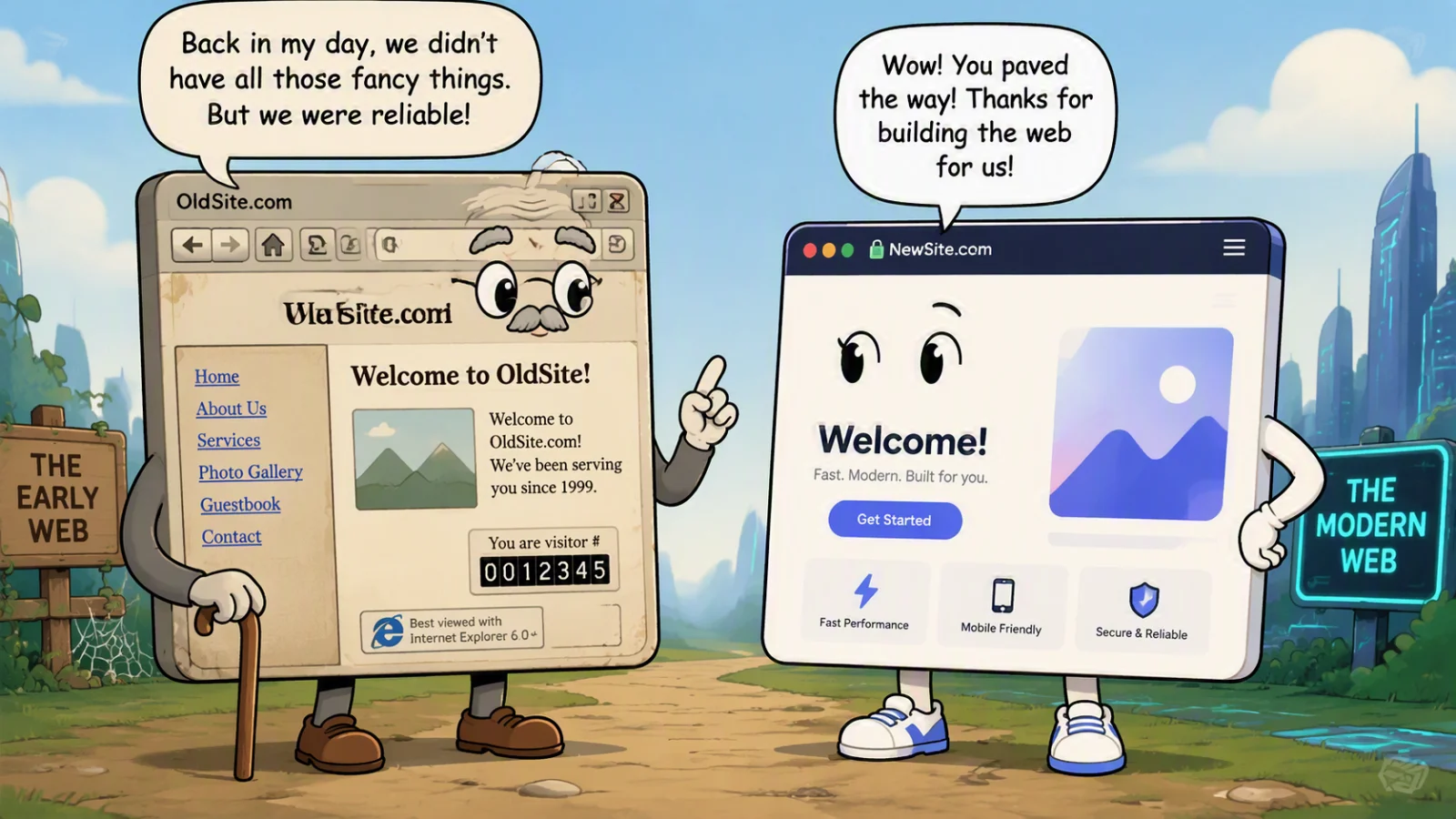
You can make an old page rank better without starting over by fixing the specific things that went stale: outdated facts, thin sections, weak headings, missing links, and a title that no longer matches what people search for. Search engines (and the AI tools that now answer questions directly) reward pages that stay accurate and useful over time. That means a focused update almost always beats a full rewrite, and it takes a fraction of the time.
Why old content stops ranking in the first place
Pages don't usually lose their spot because they were written badly. They lose it because the world around them changed. Prices went up, a product got discontinued, a law or best practice shifted, or a competitor published something more complete. Search engines are constantly re-checking whether a page still deserves to be shown for a given question. If your page hasn't been touched in two or three years while everyone else's has, it starts to look like the least current answer in the room, even if the writing itself is still fine.
There's also a simpler reason: the page might never have fully answered the question. Maybe it covered the topic in general terms but skipped the specific number, step, or example someone actually needed. That's an easy fix, and it's often more valuable than fixing the outdated stuff.
What to actually change (and what to leave alone)
Trying to rewrite a whole page is where people get stuck and give up. Instead, work through it like a short checklist:
- Facts and numbers. Update anything that's out of date: prices, dates, statistics, product names, screenshots or examples that no longer match reality.
- The opening paragraph. Make sure it directly answers the main question in the first few sentences. If someone only reads that much, they should still get a real answer.
- Missing pieces. Read the page as if you were the reader. What question would you still have after reading it? Add a section that answers that.
- Headings. These are the bolded section titles (the
h2andh3tags, if you're curious about the technical name). Make sure each one is phrased the way a person would actually ask the question, since that's often what search engines match against. - Title and meta description. This is the clickable headline and the short summary line that show up in Google's results. If they're vague or outdated, rewrite just those two things even if nothing else changes.
What you generally don't need to touch: the overall structure, the tone, or sections that are still accurate and complete. If a paragraph still answers its question correctly, leave it be. The goal is a targeted repair, not a demolition.
How to decide what to update first
If you've got a backlog of old posts and limited time, use this rule: update the pages that are close to working, not the ones that are furthest from it. A page that's already getting some traffic or ranking on page two of search results just needs a nudge, like a refreshed intro or an added section, to move up. A page that gets no traffic at all and was never that useful might not be worth saving; sometimes it's better to fold its best ideas into a stronger page and let the old one go.
A simple order to work through: start with pages about topics people are still actively searching for (seasonal relevance matters here), then pages with outdated facts that could confuse or mislead a reader, then pages that are just thin and could use one solid added section. Leave evergreen pages that still hold up for last, since they need the least work.
Does updating old content actually help you get found by AI tools too?
Yes, and for a similar reason. AI assistants that answer questions directly tend to pull from pages that are clear, current, and directly answer the question being asked, often in the first paragraph or a well-labeled section. A page full of vague, outdated generalities doesn't get quoted; a page with a specific, accurate, well-organized answer does. Updating old content isn't just a search engine ranking task anymore. It's how you stay a trusted source when someone asks a question out loud to an AI assistant instead of typing it into a search bar.
Getting started without it becoming a project
Pick three of your oldest pages this week. For each one, spend fifteen minutes checking facts, fixing the opening paragraph, and adding one missing section. That's it. If you're building or managing your site with SimplePath, its AI-guided editing tools make this kind of targeted refresh quick: you can update specific sections, tighten up a title, or add a missing answer without touching the rest of the page or needing to know any code. Small, regular updates like this, done a few pages at a time, will do more for your rankings than one big rewrite ever could.
Drafted with SimplePath's own AI blog, then updated and published by David before it went up. It's the same tool included with the Grow plan. See how it works.