

Lead magnets that actually attract qualified leads
November 18, 2026 · Winning Customers · David Semones
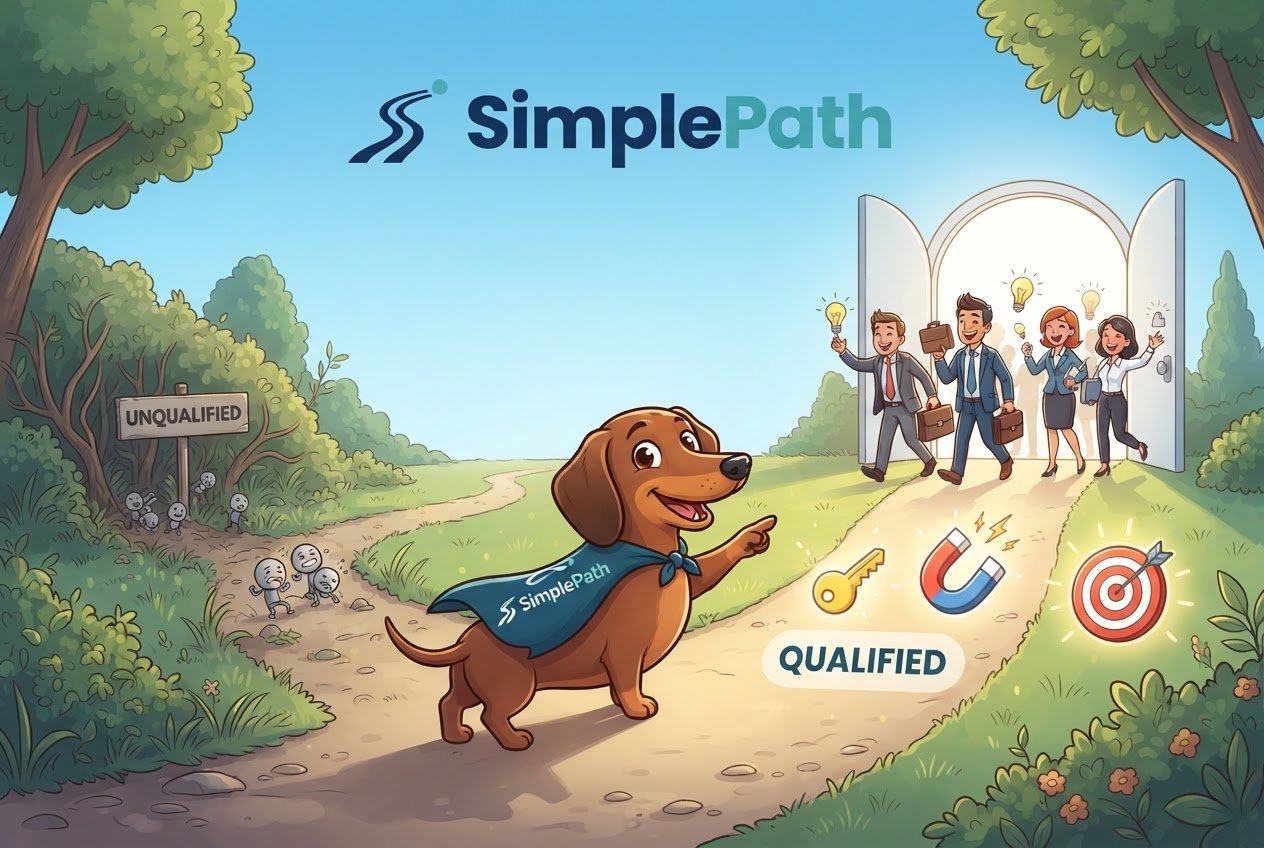
A lead magnet attracts qualified leads when it solves one narrow, specific problem that only people who might buy from you actually have. A lead magnet is just a free resource, like a checklist or a guide, that someone gets in exchange for their email address. The narrower and closer to your paid offer it is, the fewer tire-kickers you collect and the more real prospects you get.
What makes a lead magnet attract the right people?
Two things: it's specific, and it sits right next to what you sell.
Here's a quick test. Ask yourself, "Would someone who will never buy from me still want this?" If the answer is yes, it's too broad. "50 free home tips" appeals to everyone, including people who'll never hire a plumber. "What to check before your pipes freeze this winter" appeals mostly to homeowners who may soon need one.
A few ways to make an idea sharper:
- Name the reader. "A checklist for first-time landlords" beats "A property checklist."
- Name the problem. "How to price your first online course" beats "Course creation tips."
- Name the result. "Get your wedding timeline sorted in one page" tells people exactly what they're getting.
The second part, sitting next to your offer, matters just as much. If your free guide is about something you don't sell, the people it attracts won't be your customers. Look at the question people ask you right before they hire you. That's your topic.
Which format should you choose?
Pick the format based on what you sell and how much time you have. Here's a simple rule for deciding:
- You sell a service: make a checklist or a "what to know before you hire" guide. It shows your expertise and lets people see how you think.
- You sell products: offer a buying guide, a sizing or care sheet, or a first-order discount. These attract people who are already shopping.
- You sell expertise or advice: offer a short self-assessment, quiz, or score. People love finding out where they stand.
- You're short on time: a one-page checklist or template beats a 40-page ebook. Nobody finishes the ebook, and a long one doesn't qualify anyone better.
Tools and scores work especially well because the person has to give you something about their situation first. A good example is the free website grader from SimplePath, which scores an existing site. Someone who runs that is, almost by definition, thinking about their website. That's a far warmer visitor than someone who downloaded a generic marketing PDF.
What should you ask for in return?
Ask for as little as you can while still learning something useful. An email address and a first name is plenty for most small businesses. Every extra field costs you signups.
But a little qualifying can help. One optional question, such as "What are you hoping to sort out?" or "When are you planning to start?", tells you who's serious. If a few people answer "next month," you know who to write to first.
Then keep your side of the deal:
- Send or show the resource straight away. Don't make people wait.
- Keep it genuinely useful. If it's a thin sales pitch, people will notice.
- End it with one clear next step, like "Questions about your situation? Get in touch."
- Follow up within a few days with a short, friendly note asking how it went.
On a SimplePath site, contact forms reach your email, so a reply to your follow-up is never lost in a dashboard you forgot to check. And if you want something more private, SimplePath can build member areas with logins, which is handy if your resource is a bigger library for people who sign up.
How do you know the leads are qualified?
Count replies and questions, not just signups. A hundred downloads with no responses means the topic is too broad. Ten downloads with three people asking about your price or availability means you've hit the right problem.
Here's how to read the results:
- Lots of signups, no replies: narrow the topic and tie it closer to what you sell.
- Few signups, but a good share reply: the magnet is right. Promote it more, on your homepage, in your blog posts and in your emails.
- Few signups, few replies: the promise isn't clear. Rewrite the title so it names the reader and the result.
Visitor analytics are included with every SimplePath plan, so you can see how many people reach the page before you judge the offer. Many weak results come from the page being buried, not from the idea.
Your next step
Pick one problem your best customers had right before they hired you. Write a one-page checklist that solves a piece of it. Put it on its own page with a short form, and link to it from your homepage and your blog posts.
If you don't have a site yet, SimplePath lets you describe your business in plain English and get a finished, branded website. From there you can grow it with SEO, a blog and a store. You can see what SimplePath can build, and starting is free: you get free credits and 30 days of free hosting, no card needed. Questions about setting up a lead magnet page? Get in touch and ask.
Drafted with SimplePath's own AI blog, then updated and published by David before it went up. It's the same tool included with the Grow plan. See how it works.